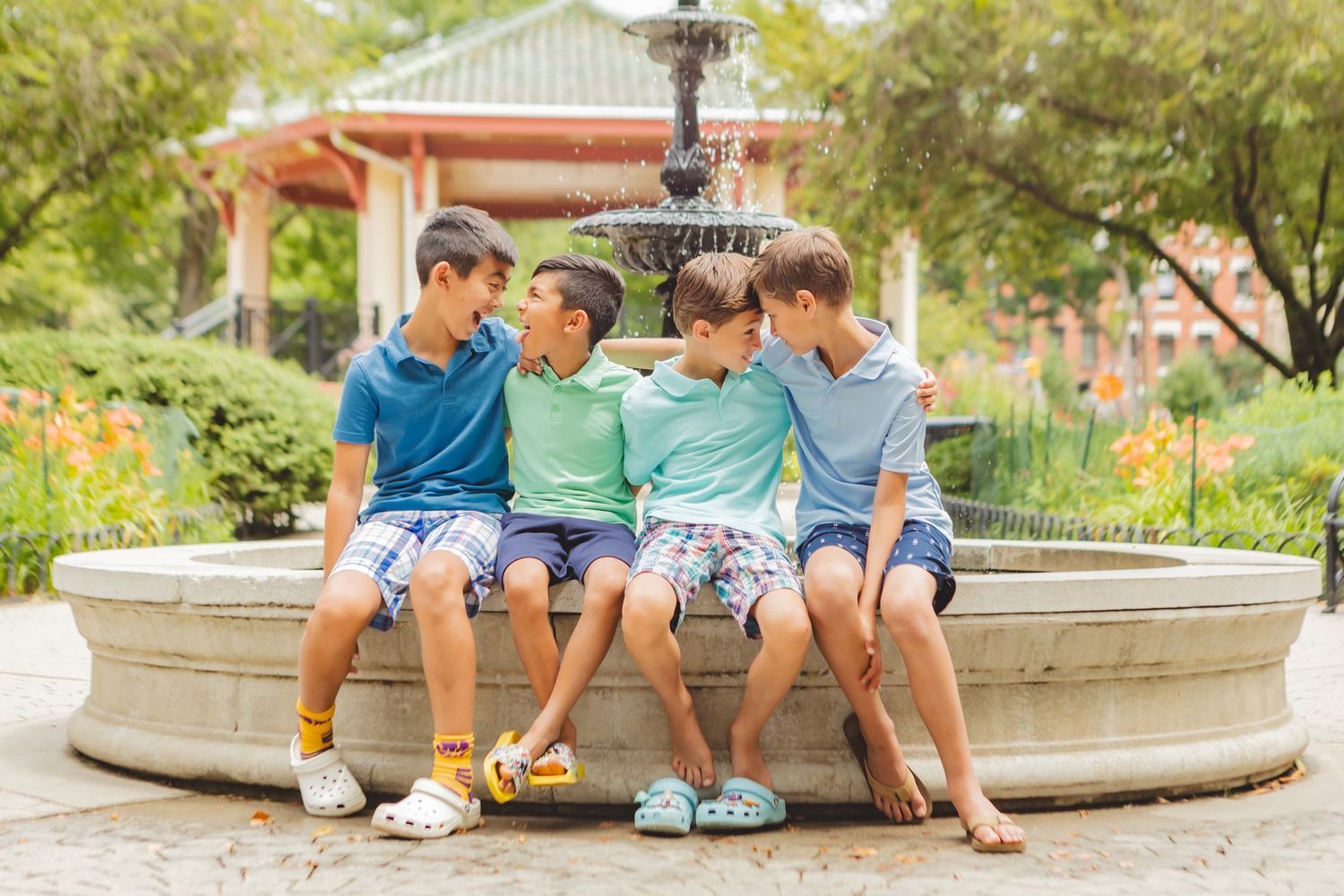
Photographing Children and How to Make It Work
Photographing children can be one of the most magical parts of being a photographer—and also one of the most unpredictable. Behind every dreamy, joy-filled portrait of a child twirling in golden hour light or laughing with a gummy smile is a behind-the-scenes reality that often includes bribes, silly noises, and a whole lot of patience.
As photographers, we love capturing those fleeting moments of childhood: the wonder, the curiosity, the silliness, and the pure emotion. But the truth is, children don’t always follow the plan. And that’s okay. The key to a successful session is learning how to embrace the chaos and work with it, not against it.
Let’s dive into the common difficulties that come with photographing children—and the strategies that can turn even the trickiest session into something truly magical.
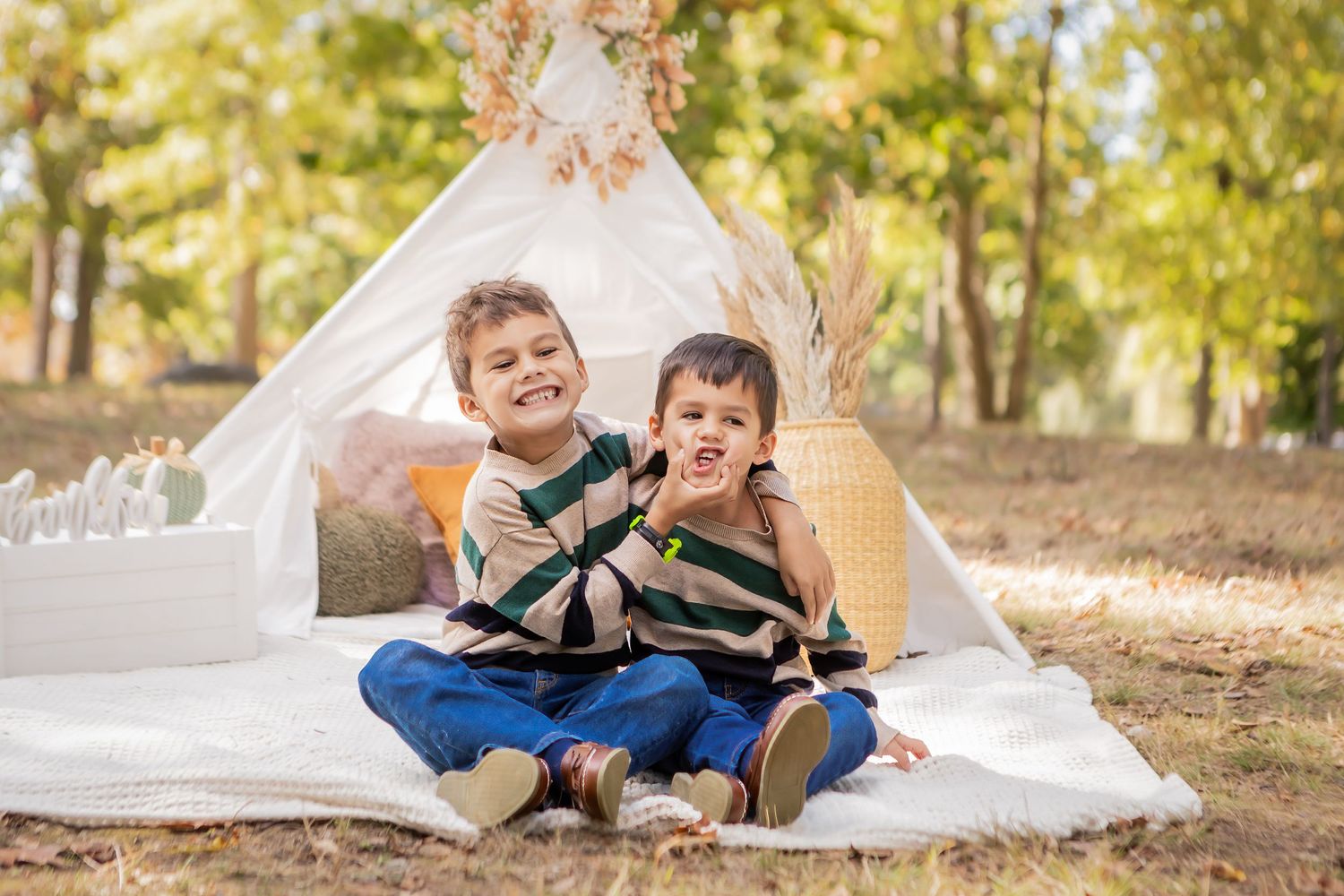
The Real-Life Challenges of Photographing Children
1. Short Attention Spans
Most children—especially toddlers and preschoolers—have the attention span of a goldfish. You have a very short window to capture their focus before they’re off exploring something else (a bug, a stick, a shoe, anything!). Trying to keep them still or engaged for long periods is often a losing battle.
2. Unfiltered Emotions
Children feel everything deeply and immediately. One second they’re laughing, and the next they’re crying because their shoe came untied. Their emotions are raw and real—which can actually make for beautiful photos, but only if you know how to ride the emotional rollercoaster with them.
3. High Energy Levels
Children aren’t naturally still. Asking a three-year-old to sit in one spot and smile sweetly for ten minutes? That’s a recipe for frustration on both sides. Their energy can be overwhelming if you're trying to maintain a controlled or highly posed setup.
4. Shyness and Stranger Danger
Not all kids are outgoing right away. Some may be shy, wary, or downright uncomfortable around someone they’ve just met—especially when that someone is pointing a big camera at them. Building rapport quickly is essential.
5. Parental Expectations
Sometimes the biggest pressure comes not from the child, but from the parents. They may have specific ideas about how their child should behave or what the final images should look like. If the child isn’t cooperating, parents may feel stressed or disappointed—which, in turn, affects the child’s mood and energy.
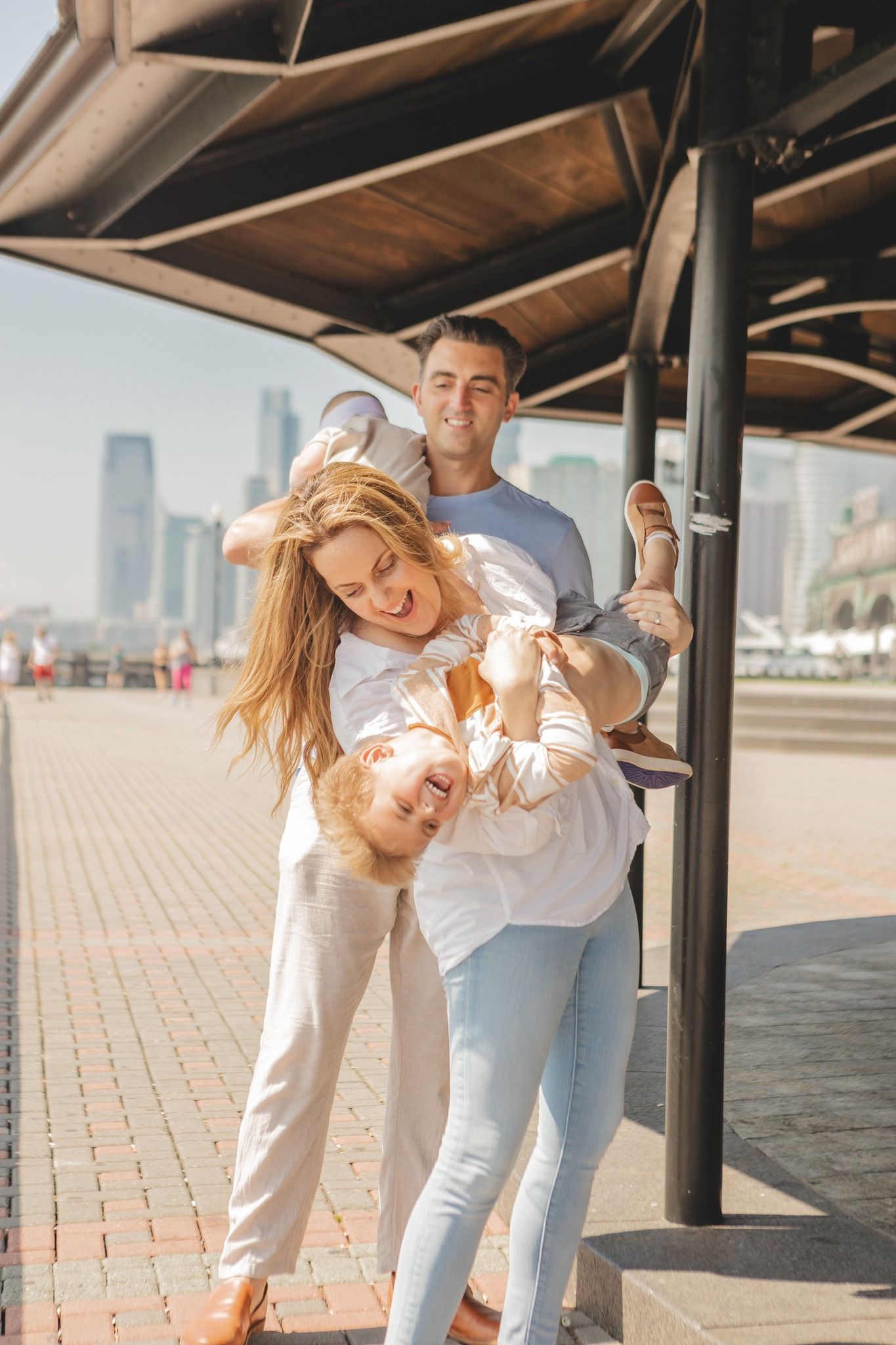
Tips for a Smooth and Successful Kids' Photo Session
1. Make It Fun
Children don’t come to a session wanting to be “photographed”—they come to play. Approach it like a playdate. Bring bubbles, tell jokes, let them twirl in their favorite dress or show off their superhero pose. The more fun they’re having, the more natural the photos.
2. Let Them Lead (a Little)
Give children some control. Ask them to choose their favorite spot in the park or let them bring a special toy. This helps them feel involved and safe, which often leads to those candid, heart-melting moments.
3. Keep Sessions Short
Aim for 30-45 minutes tops, especially for toddlers and younger kids. Any longer and you risk hitting the wall of snack time, nap time, or full-on “I’m over it” mode.
4. Embrace the Imperfection
Not every photo needs to be perfectly posed. Some of the most treasured shots come from unplanned moments—a messy hairdo, a toothy grin, a child mid-giggle or even mid-pout. These are the photos that tell real stories.
5. Build Trust Quickly
Take time to connect with the child before even pulling out your camera. Ask their name, talk about their favorite show or animal. When they see you as a friend, they’re more likely to relax and be themselves.
6. Have a Few Tricks Up Your Sleeve
Silly songs, squeaky toys, funny noises—yes, you might feel a little ridiculous, but if it gets them to smile naturally, it’s worth it. If you're working with babies or toddlers, enlist a parent to stand behind you and make goofy faces.
7. Communicate With Parents
Before the session, set expectations. Let them know that breaks, snacks, and silly moments are part of the process. Encourage them to stay calm and positive, even if their child is being extra wiggly or uncooperative. A relaxed parent makes for a more relaxed child.
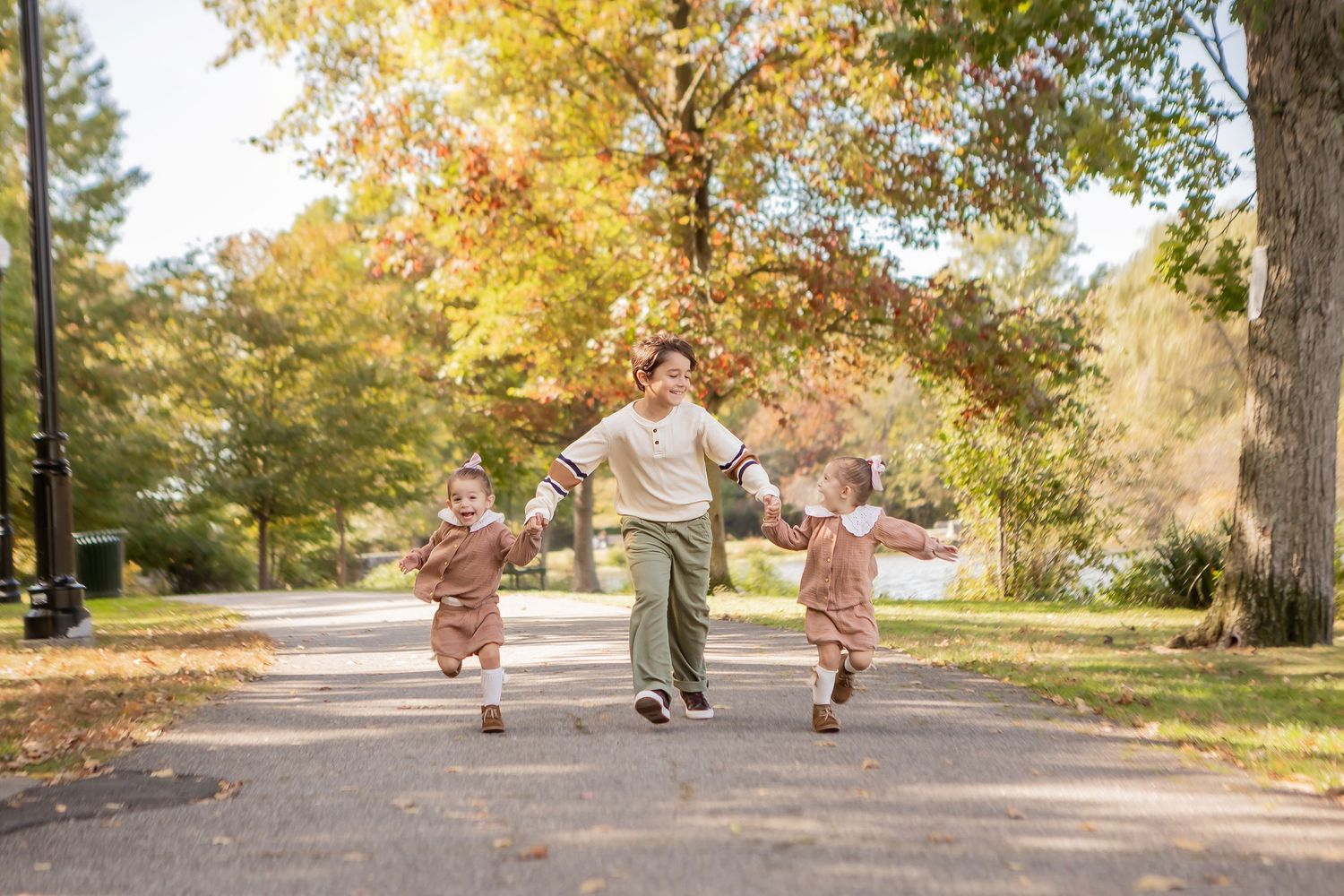
In the End...
Photographing children is a wild ride—full of surprises, laughter, and sometimes a little chaos. But it's in that very unpredictability that the magic happens. Every genuine smile, every twinkle in their eye, every fleeting moment of wonder—that’s what we’re there to capture. So take a deep breath, let go of perfection, and enjoy the beautiful mess of it all.